Discover Sumatra’s Wildlife the Ethical Way.
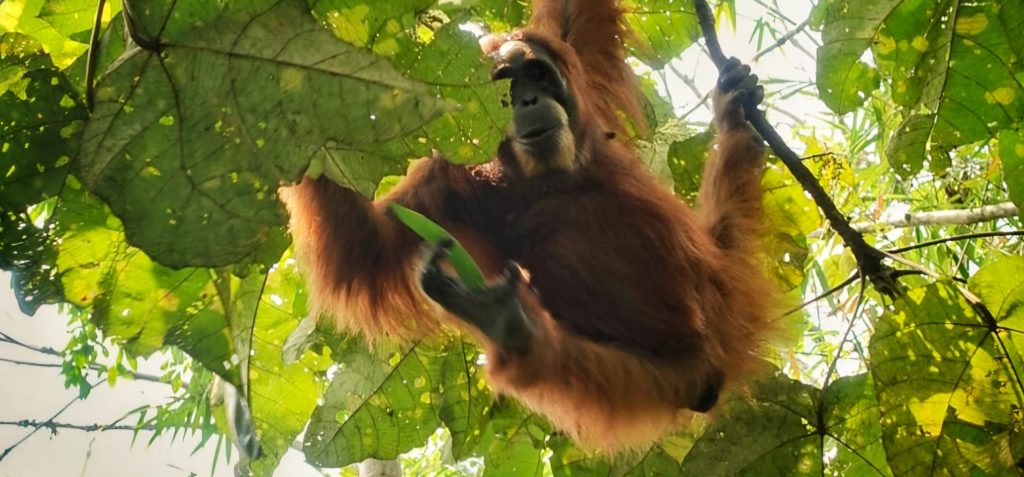
Sumatra is one of the world’s last great wildernesses. Its ancient rainforests are home to some of the planet’s most endangered wildlife, including the Sumatran orangutan, Sumatran elephant, Sumatran tiger, Sunda pangolin, hornbills, and hundreds of remarkable reptiles, amphibians, mammals, and birds. Every visit to these forests offers an opportunity not only to experience extraordinary biodiversity but also to contribute directly to its protection.
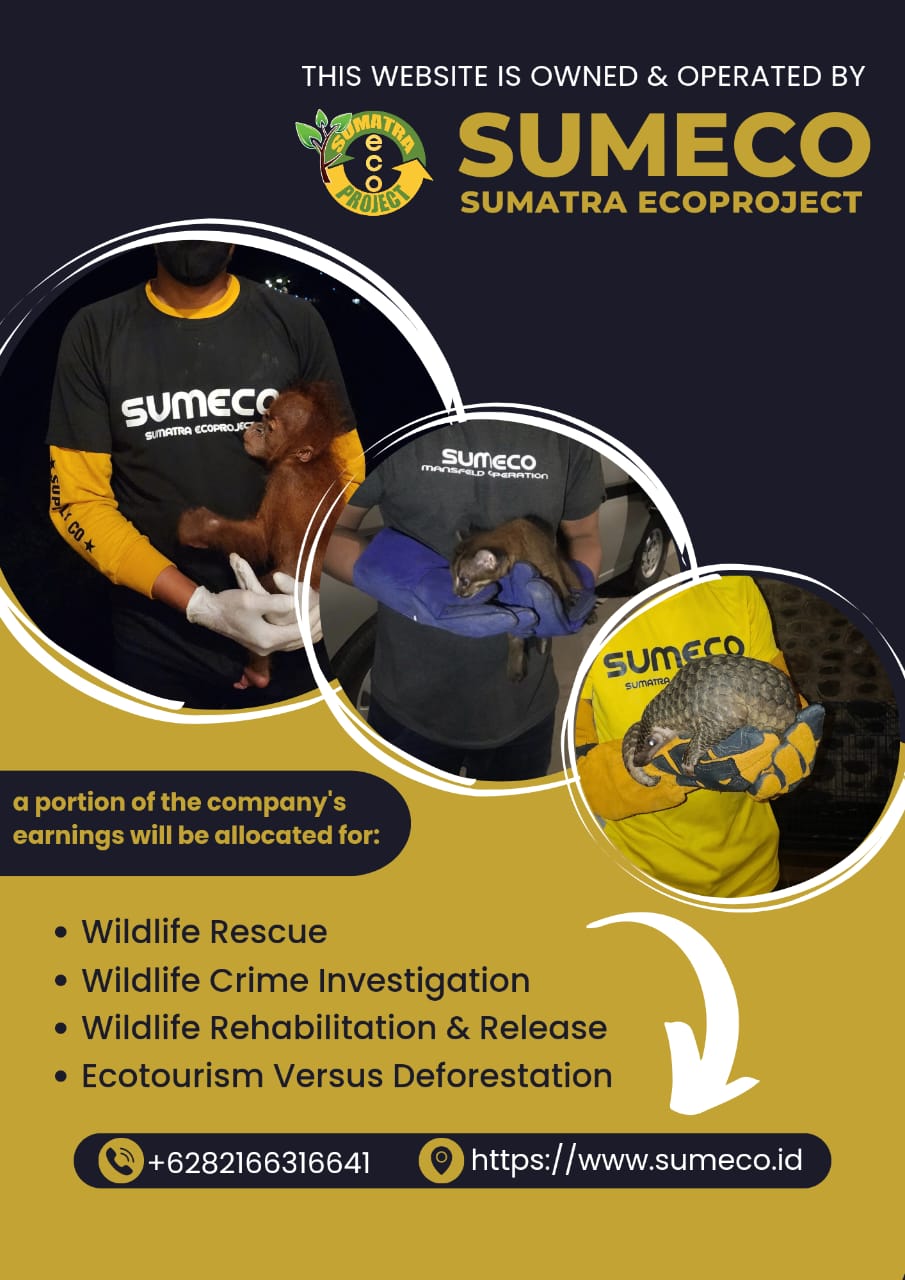
Ethical wildlife tourism is transforming the way people experience nature. Rather than exploiting animals for entertainment, responsible ecotourism encourages visitors to observe wildlife respectfully in their natural habitats while supporting long-term conservation efforts. In North Sumatra, this philosophy is practiced every day by SUMECO (Sumatra Ecoproject), an independent grassroots conservation organization that uses ecotourism as a practical tool to protect wildlife and their habitats. SUMECO was founded in 2014 and funds its conservation work primarily through its own ecotourism businesses rather than relying on donations.
What Is an Ethical Wildlife Tour?
An ethical wildlife tour places the welfare of animals and the protection of ecosystems above tourist entertainment. It allows wildlife to remain wild while providing meaningful experiences for visitors who value conservation.
Ethical wildlife tourism follows several important principles:
- Generate sustainable income that helps preserve wildlife habitats.
- Observe wildlife from a respectful distance.
- Never touch, feed, or disturb wild animals.
- Avoid attractions that keep wildlife in captivity for entertainment.
- Support local communities that actively protect forests.
- Employ knowledgeable local guides who prioritize conservation.
Unlike traditional wildlife tourism that may encourage close interactions for photographs or performances, ethical wildlife tours allow visitors to witness authentic animal behavior in healthy ecosystems.
Why Sumatra Is One of the World’s Best Ethical Wildlife Destinations.
The forests of Sumatra are internationally recognized for their exceptional biodiversity. The Leuser Ecosystem remains the only place on Earth where critically endangered orangutans, elephants, tigers, and rhinoceroses still occur within the same landscape. This makes Sumatra one of the world’s most important conservation regions.
SUMECO: Where Tourism Directly Supports Wildlife Conservation.
SUMECO (Sumatra Ecoproject) believes that conservation must be practical. Rather than depending entirely on grants or donations, the organization has developed conservation-based ecotourism that helps finance wildlife rescue, rehabilitation, wildlife crime investigations, and environmental education. The organization states that profits from its ecotourism businesses help fund these conservation activities, including animal rescue and work with local communities. This model creates a direct connection between tourism and conservation, allowing visitors to contribute simply by choosing responsible travel.
Ethical Wildlife Tours & Experiences Offered by SUMECO (Sumatra Ecoproject)
Ethical Jungle Trekking.
Explore the rainforest with experienced local guides while searching for wild orangutans and other rainforest species. Treks emphasize wildlife observation, rainforest ecology, and responsible visitor behavior.
Birdwatching Tours.
North Sumatra is a paradise for birdwatchers. Ethical birding tours encourage observation through binoculars and photography without disturbing nesting or feeding behavior.
Herping Tours.
Discover Sumatra’s remarkable reptiles and amphibians during guided night walks. Herping tours focus on education, scientific appreciation, and respectful observation without collecting or handling wildlife.
Wildlife Photography Tours.
Photographers are guided to natural habitats where patience, fieldcraft, and ethical practices produce authentic wildlife images without stressing animals.
Elephant Observation.
Visitors may observe wild Sumatran elephants from safe and appropriate distances in their natural landscapes while learning about conservation challenges, habitat loss, and coexistence.
Conservation Beyond Tourism.
SUMECO’s work extends well beyond guiding visitors.
Its conservation programs include:
- Rescue of illegally kept wildlife.
- Assistance with wildlife law enforcement.
- Human-wildlife conflict response.
- Community education.
- Biodiversity monitoring.
- Wildlife Conservation Camp initiatives.
- Collaboration with conservation authorities in North Sumatra.
These programs demonstrate that ecotourism can become an active conservation tool rather than simply a tourism product.
Supporting Local Communities.
Successful conservation depends on local people. Ethical tourism provides employment for guides, drivers, accommodation providers, cooks, porters, and small businesses. When communities benefit economically from healthy forests, wildlife becomes more valuable alive than through illegal hunting or trade. This creates lasting incentives to protect biodiversity while improving local livelihoods.
Why Ethical Wildlife Tourism Matters.
Choosing an ethical wildlife tour has real conservation benefits.
Responsible tourism helps:
- Reduce demand for exploitative wildlife attractions.
- Create sustainable conservation funding.
- Protect rainforest habitats.
- Increase environmental awareness.
- Encourage responsible visitor behavior.
- Support wildlife rescue programs.
- Strengthen local conservation initiatives.
Every responsible traveler becomes part of the conservation solution.
Travel Responsibly in Sumatra.
When visiting Sumatra, remember these simple guidelines:
- Never feed wildlife.
- Keep a respectful distance from animals.
- Stay on designated trails.
- Follow your guide’s instructions.
- Avoid excessive noise.
- Do not litter.
- Never purchase wildlife products or souvenirs made from protected species.
- Choose operators committed to conservation.
Small actions by visitors collectively make a significant difference for wildlife.
Experience Conservation in Action.
Ethical wildlife tours offer much more than unforgettable wildlife encounters—they provide an opportunity to contribute directly to the future of Sumatra’s extraordinary biodiversity.
By traveling with conservation-minded organizations such as SUMECO, visitors help protect endangered wildlife while supporting local communities that depend on healthy forests. Every responsible journey becomes part of a larger conservation effort, ensuring that future generations can continue to experience the incredible wildlife of Gunung Leuser National Park and the wider forests of Sumatra.
If you want your next adventure to leave a positive impact, choose ethical wildlife tourism. Experience the rainforest responsibly, observe wildlife respectfully, and become part of the ongoing effort to conserve one of Earth’s most precious ecosystems.