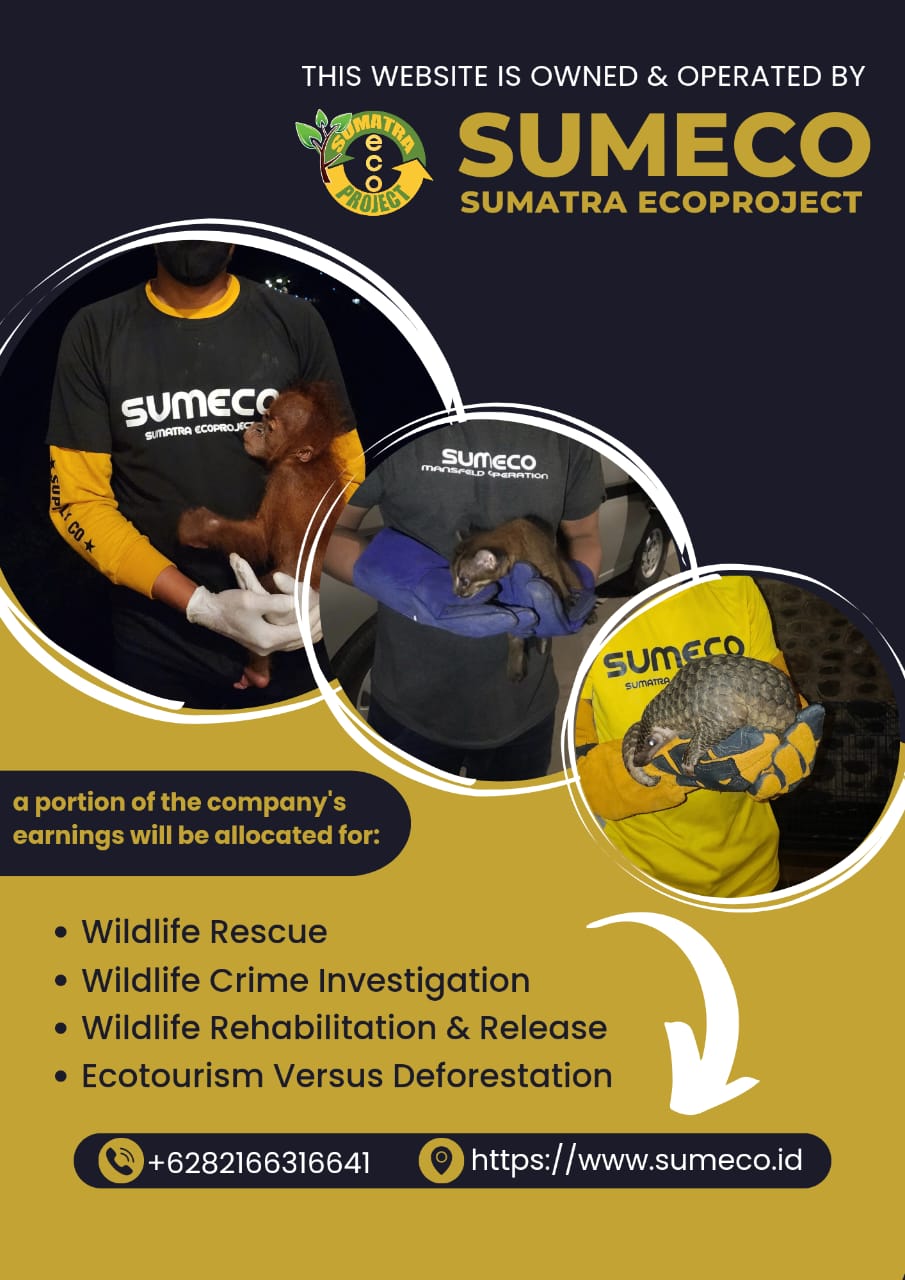

Even after twelve years of studying (2012 – 2026) and attempting to fully implement ecotourism, SUMECO’s business entities are still actively involved in conservation efforts through their ecotourism programs, such as ethical jungle tours in Bukit Lawang and srrounding areas.
Ecotourism originated in the 1980s as a part of sustainable development, with the objective of channeling tourism revenue towards conservation and development initiatives. Despite lingering uncertainties surrounding the approach to implementation, ongoing deliberations persist among scholars and professionals regarding the precise definition and advantages of ecotourism. Further investigation is needed to thoroughly examine thirty years of ecotourism studies, with the objective of identifying concrete evidence of both successful and unsuccessful results.
The following trends were identified: Ecotourism is very often confused with outdoor recreation and other types of traditional tourism. Impact studies typically concentrate on ecological and social impacts but rarely consider both. In addition, research often lacks time series data, so elaborations cannot determine long-term impacts on conservation, levels of biodiversity, ecosystem integrity, local governance, or other indicators. Based on the increasing pressure on natural areas and their inhabitants, ecotourism analysis needs to be improved comprehensively.
Protecting
Biodiversity
Protecting
Livelihoods
Bukit Lawang
SUMECO has chosen Bukit Lawang as its strategic location to carry out its conservation efforts in a small-scale and sustainable manner. Bukit Lawang is a renowned tourist destination, particularly favored by international visitors seeking to engage in ethical jungle trekking to observe orangutans and other wildlife.
Bukit Lawang is a petite settlement located in North Sumatra, Indonesia, directly bordering the Gunung Leuser National Park, while Gunung Leuser National Park was previously granted two international designations: Biosphere Reserve in 1981 and World Heritage Site in 2004.
By profiting from various tour packages sold to foreign tourists through its websites, SUMECO that assisted by Gunung Leuser National Park, has been able to save hundreds of animals that are part of the park’s biodiversity. This has been ongoing since 2012, following a lengthy and winding process.
Ethical Jungle Tours and Conservation.
Bukit Lawang, situated on the outskirts of the verdant Gunung Leuser National Park in North Sumatra, is one of Indonesia’s most extraordinary ecotourism destinations. Known worldwide for its critically endangered Sumatran orangutans and diverse rainforest biodiversity, this small riverside village has served as a gateway for travelers seeking authentic jungle experiences, all while supporting local communities and conservation activities.
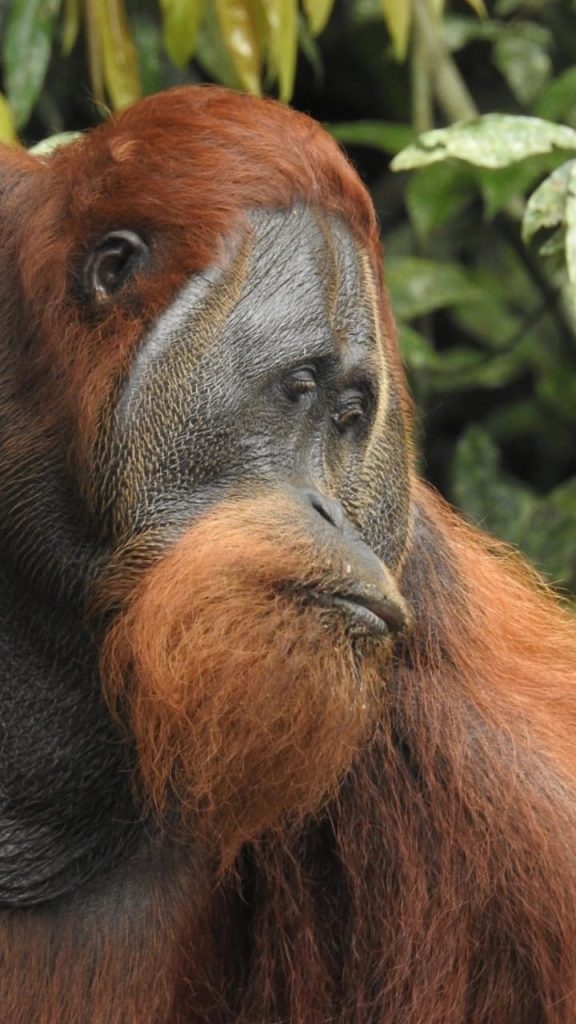
As tourism expands, it is more critical than ever to prioritize responsible ecotourism practices and ethical jungle excursions. Today, travelers are increasingly seeking experiences that not only provide adventure but also preserve natural habitats, protect wildlife, and have a positive impact on the local community.
The Significance of Ethical Jungle Tourism.
Ethical jungle tourism extends beyond mere sightseeing. It emphasizes the importance of minimizing environmental impact, respecting wildlife, and ensuring that tourism benefits local communities rather than exploiting natural resources.
Ethical trekking operators in Bukit Lawang adhere to stringent regulations to safeguard the rainforest ecosystem and its fauna. Educate visitors about the conservation challenges that Sumatra’s distinctive biodiversity faces, prevent littering in the jungle, and avoid disturbing animals during responsible excursions.
The Gunung Leuser Ecosystem, which encompasses the rainforest encircling Bukit Lawang, is one of the few remaining locations on Earth where orangutans, elephants, rhinoceroses, and tigers coexist in the wild. It is imperative to safeguard this ecosystem for the sake of local livelihoods, water systems, and climate stability, in addition to endangered species.
Responsible Wildlife Encounters and Orangutan Conservation.
Bukit Lawang is most renowned for its untamed and semi-wild orangutans. Habitat loss, illicit logging, and the expansion of palm oil in Sumatra have resulted in the critical endangerment of these intelligent primates.
Ethical jungle excursions prioritize the welfare of orangutans by avoiding direct interaction or feeding and maintaining safe distances. Responsible advisers provide visitors with information regarding the behavior of orangutans and the significance of preserving their natural habitat.
It is recommended that travelers select tour operators that:
- Employ local aides who are licensed
- Comply with the regulations of the national park
- Regulate the size of groups
- Refrain from feeding or contacting wildlife.
- Encourage the implementation of conservation initiatives
- Encourage the implementation of Leave No Trace principles
Visitors can directly support conservation funding and sustainable livelihoods for local communities by selecting ethical operators.
Providing Ecotourism Support to Local Communities.
Bukit Lawang has been transformed from a modest village to a tourism destination that is community-driven by ecotourism. Through guiding, guesthouses, restaurants, transportation, handicrafts, and conservation work, tourism is a source of income for numerous local families.
Ethical tourism guarantees that the local community retains its income, rather than being extracted by external corporations. The regional economy is fortified, and long-term environmental stewardship is promoted by employing local guides, lodging in locally owned accommodations, and purchasing locally made products.
Additionally, community-based tourism generates incentives for rainforest preservation. The preservation of nature becomes more valuable than destructive activities such as illicit logging or wildlife trafficking when local people benefit economically from conservation and sustainable tourism.
Practices for Sustainable and Ethical Jungle Trekking.
Careful environmental practices are implemented during responsible trekking in Bukit Lawang to mitigate the human influence on fragile rainforest ecosystems.
Ethical trekking operators frequently implement sustainability measures, including:
- Eliminating all waste from the jungle
- Utilizing reusable containers in lieu of single-use plastics
- Preventing the destruction of wildlife habitats and vegetation
- Adhering to designated trekking routes
- Reducing noise pollution within the forest
- Informing visitors about the ecology of the rainforest
Travelers also contribute significantly by refraining from purchasing products that contribute to deforestation, conserving water and energy, and exhibiting reverence for wildlife.
The Importance of Ecotourism in the Future of Sumatra.
Sustainable tourism and conservation awareness are essential for the future of the Gunung Leuser rainforest and Bukit Lawang. There is a potent alternative to industries that devastate forests and imperil endangered species in the form of ecotourism.
Tourism serves as an instrument for cultural exchange, education, and conservation when implemented responsibly. Visitors depart with a more profound comprehension of rainforest ecosystems and the pressing necessity to safeguard them for the benefit of future generations.
Bukit Lawang provides more than just jungle excursions; it provides the chance to contribute to a global initiative to safeguard one of the world’s most valuable ecosystems.
Exploring the Jungle in a Responsible Manner.
An ethical jungle excursion in Bukit Lawang is not merely a vacation experience. It is an opportunity to witness the extraordinary majesty of Sumatra’s rainforest, empower local communities, and support conservation in a responsible and meaningful manner.
Visitors can contribute to the survival of Bukit Lawang’s fauna and forests for future generations by selecting ethical tour operators and sustainable travel practices.
SUMECO will persist in marketing its jungle tour packages in Bukit Lawang and neighboring villages adjacent to the Gunung Leuser National Park, offering the opportunity to observe various significant Leuser species, including Sumatran orangutans, Sumatran elephants, great argus, gibbons, and birds, as well as herping tours to explore the realm of reptiles and amphibians.
Ethical Jungle Trekking, Orangutans, and Zoonotic Disease Risks
Ethical jungle trekking involves safeguarding forests and appreciating wildlife while also playing a crucial role in mitigating the transmission of zoonotic illnesses between humans and animals, including the Sumatran and Bornean orangutans. What are zoonotic diseases? Zoonotic diseases, or zoonoses, are illnesses that can pass between animals and humans. Great apes, including orangutans, share a very high percentage of human DNA, making them highly vulnerable to human diseases. Unethical tourism practices can increase stress, habitat disturbance, and disease transmission risks for wildlife. Responsible ecotourism helps minimize these impacts while supporting conservation and local communities.
Seeing wild or semi-wild orangutans in their natural habitat is a rare privilege. Ethical jungle trekking or other ethical tours ensure future generations can continue to experience these incredible animals while minimizing the risks of zoonotic disease transmission and environmental harm.

Price:
- 1 day jungle trek, costs 70 EUR per person (min 2 people).
- 2 days 1 night jungle trek, costs 120 EUR per person (min 2 people).
- 3 days 2 nights jungle trek, costs 170 EUR per person (min 2 people).
- 4 days 3 nights jungle trek, costs 250 EUR per person (min 2 people).
- 5 days 4 nights jungle trek, costs 320 EUR per person (min 2 people).
Ethical Jungle Tours in Sumatra: Exploring the Rainforest While Protecting Its Future
Discover the Wild Heart of Sumatra Responsibly.
Sumatra is home to one of the most extraordinary rainforest ecosystems on Earth. Towering tropical trees, hidden waterfalls, rare birds, colorful reptiles, and critically endangered wildlife make this Indonesian island a dream destination for nature lovers. Yet Sumatra is far more than a place to observe wildlife—it is a place where tourism can actively contribute to conservation.
Ethical jungle tours in Sumatra offer travelers the opportunity to experience one of the world’s richest ecosystems while helping protect it for future generations. Unlike conventional wildlife tourism, ethical ecotourism prioritizes animal welfare, habitat conservation, environmental education, and community development.
For travelers seeking authentic rainforest adventures, choosing an ethical jungle tour is one of the most powerful ways to support conservation while enjoying an unforgettable experience.
Why Sumatra Is One of the World’s Most Important Biodiversity Hotspots.
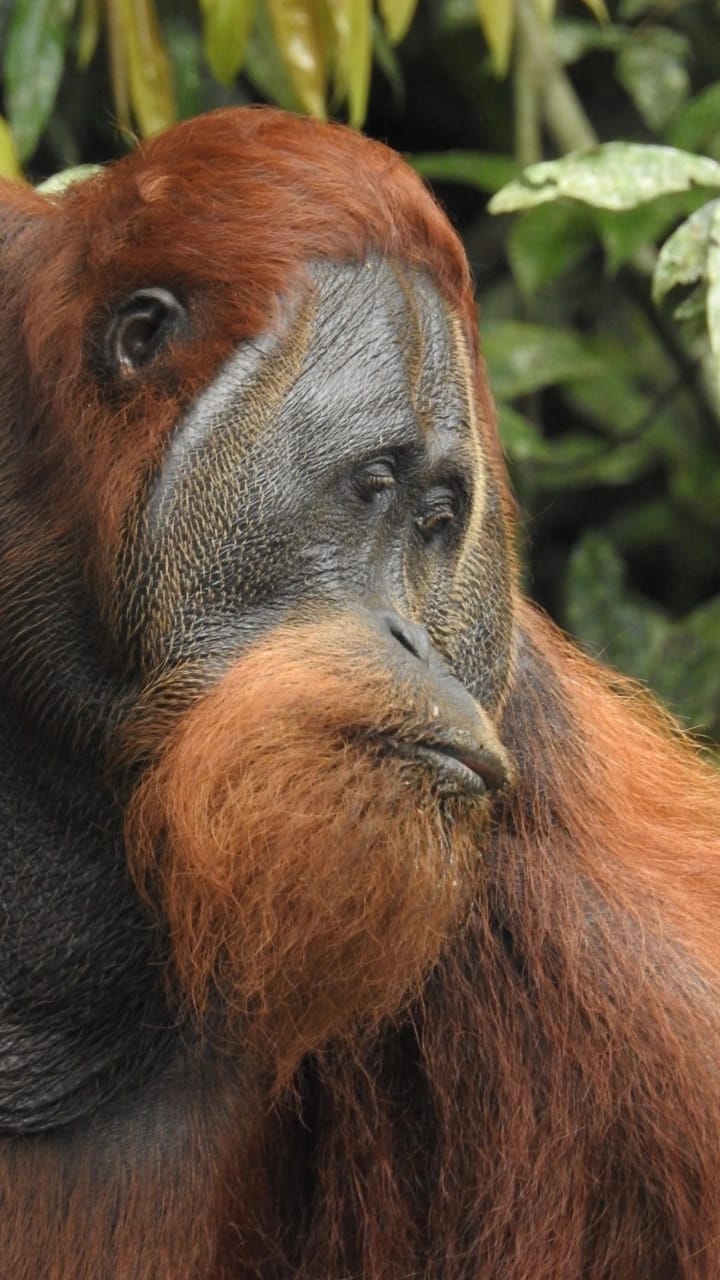
Northern Sumatra contains vast stretches of tropical rainforest within the Gunung Leuser Ecosystem, one of Southeast Asia’s most significant conservation landscapes. This ecosystem is internationally recognized for its remarkable biodiversity and is among the last places on Earth where critically endangered species continue to survive in the wild. The region supports wild orangutans, elephants, tigers, hornbills, gibbons, slow lorises, clouded leopards, reptiles, amphibians, and thousands of plant species.
The rainforest also provides essential ecosystem services. It stores carbon, regulates water systems, prevents erosion, and supports the livelihoods of countless local communities.
Protecting this forest is not only important for wildlife but also for the long-term well-being of people who depend on healthy ecosystems.