
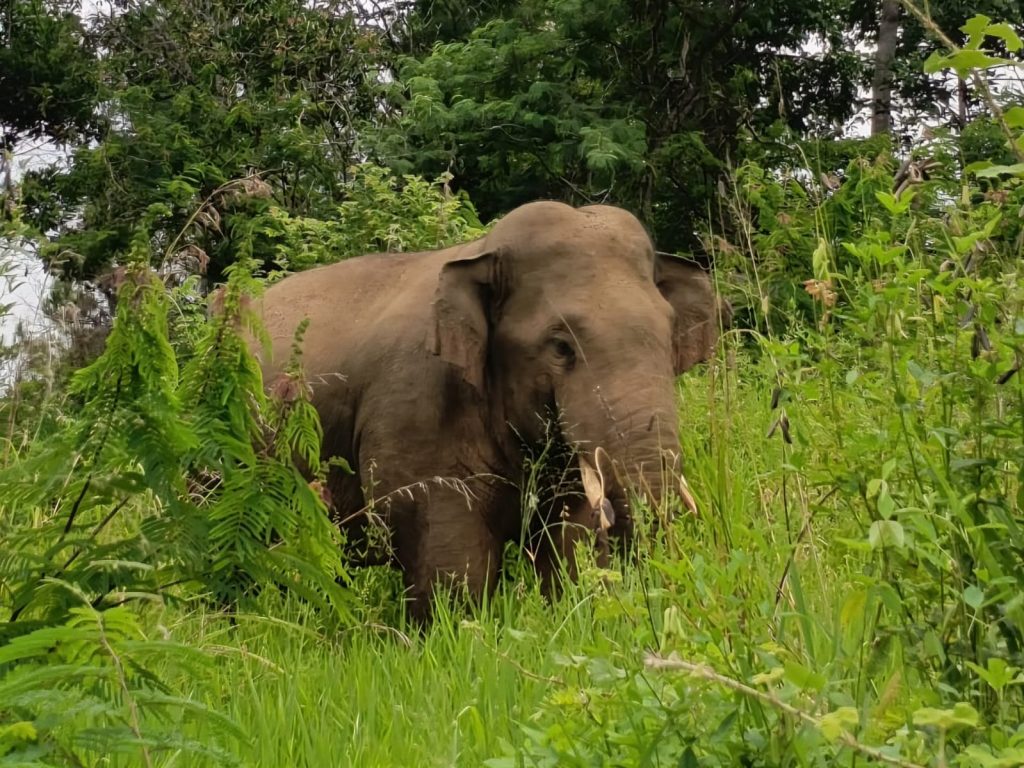
Discover Sumatra’s Elephants the Ethical Way.
Sumatra is one of the last places on Earth where the critically endangered Sumatran elephant can still survive in the wild. These magnificent animals play a vital role in maintaining healthy rainforest ecosystems, dispersing seeds, creating forest clearings, and supporting biodiversity throughout the island.
For many travelers, seeing an elephant in Sumatra is a dream experience. However, not all elephant tourism is ethical. Responsible travelers increasingly seek wildlife encounters that prioritize animal welfare, conservation, and local community benefits rather than entertainment.
At Bukit Lawang Ecotourism, we believe that elephant tourism should contribute to protecting elephants and their habitats while providing meaningful educational experiences for visitors.
Why Ethical Elephant Tourism Matters.
The Sumatran elephant is listed as Critically Endangered. Habitat loss, deforestation, agricultural expansion, and human-elephant conflict continue to threaten wild populations throughout Sumatra. Conservation experts emphasize that protecting elephant habitat and supporting coexistence between local communities and wildlife are essential for the species’ survival.
Historically, some elephant tourism activities involved captive elephants used for entertainment and tourist interactions. Research on elephant tourism in Sumatra has highlighted concerns about the commercialization of elephant encounters and the welfare implications of keeping elephants in captivity for tourism purposes.
Today, ethical tourism focuses on respecting elephants as wild animals rather than treating them as attractions.

What Makes an Elephant Tour Ethical?
An ethical elephant experience follows several important principles:
1. No Elephant Riding
Elephants are not designed to carry tourists on their backs for recreational purposes. Ethical operators do not offer elephant rides and instead encourage observation from a respectful distance.
2. No Forced Performances
Ethical tours do not include elephant shows, tricks, painting demonstrations, or staged performances. Wild animals should be allowed to behave naturally.
3. No Tourist Bathing Activities
Many animal welfare experts question elephant bathing programs because they often prioritize tourist interaction over the animals’ needs. Ethical experiences avoid unnecessary physical contact and allow elephants to choose their own behavior.
4. Respect Natural Behavior
The best elephant encounters occur when elephants are free to forage, socialize, rest, and move naturally within their environment.
5. Focus on Education
Ethical tours teach visitors about rainforest ecology, elephant conservation, human-elephant conflict, and the challenges facing wildlife in Sumatra.
6. Support Local Communities
Conservation succeeds when local communities benefit from protecting wildlife. Ethical tourism creates jobs, supports local livelihoods, and provides incentives for forest conservation.
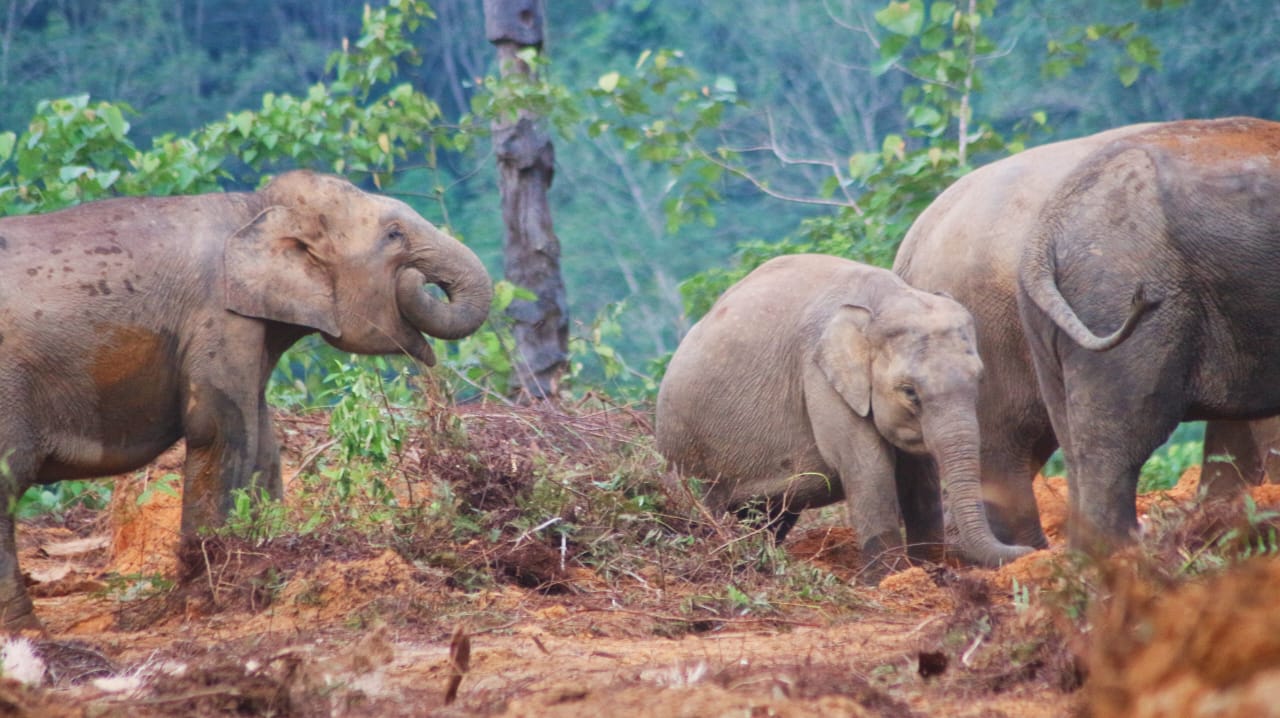
The Best Elephant Experience: Seeing Wild Elephants
The most ethical elephant encounter is observing wild elephants in their natural habitat.
Unlike captive elephant attractions, wild elephant observation allows visitors to witness authentic animal behavior without interference. Every sighting becomes a genuine wildlife experience rather than a staged activity.
Wild elephant tracking requires patience, skilled local guides, and respect for the animals. Sightings are never guaranteed, but the experience is far more rewarding because it reflects real nature rather than a tourist performance.
When visitors choose wild elephant experiences, they help create economic value for intact forests and wildlife conservation.
Understanding Human-Elephant Conflict in Sumatra
As forests are converted into plantations and agricultural land, elephants increasingly come into contact with human settlements. This often results in crop damage, property loss, and risks to both people and elephants.
Conservation organizations and local communities are working together to reduce these conflicts through habitat restoration, wildlife corridors, community education, and sustainable ecotourism initiatives. Successful conservation depends on finding ways for people and elephants to coexist.
Visitors who participate in responsible ecotourism contribute to these long-term conservation efforts.
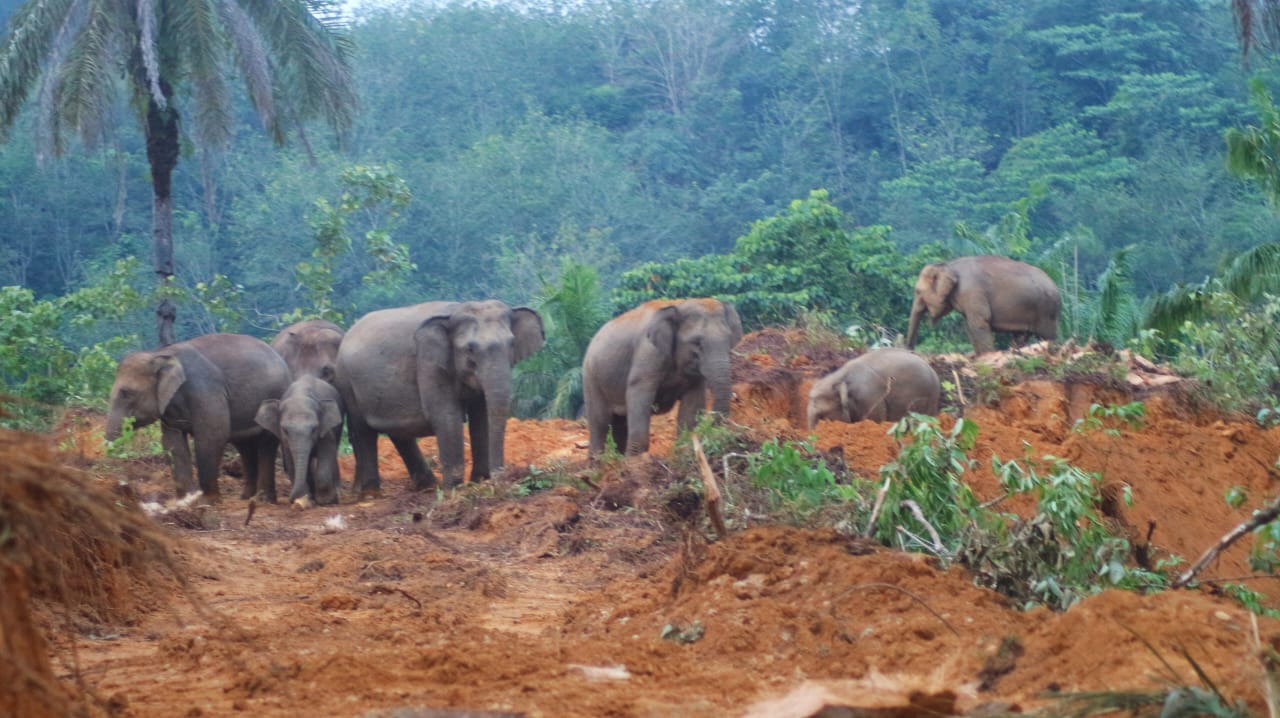
How Ecotourism Can Help Protect Elephants
When managed responsibly, ecotourism can become a powerful conservation tool. Revenue generated from ethical wildlife tourism can support:
- Forest protection
- Anti-poaching efforts
- Community conservation programs
- Wildlife monitoring
- Environmental education
- Sustainable local livelihoods
Responsible travelers help create a future where elephants are worth more alive and free than exploited for short-term entertainment.
In the same way that SUMECO has established all of its ecotourism initiatives in order to reduce the deforestation and animal hunting.
Our Commitment to Ethical Wildlife Tourism
At Bukit Lawang Ecotourism, we promote wildlife experiences based on respect, conservation, and education. We believe elephants belong in healthy forests where they can live naturally and contribute to thriving ecosystems.
Our goal is to connect travelers with the incredible biodiversity of Sumatra while supporting conservation initiatives and local communities that work to protect wildlife for future generations.
By choosing ethical elephant tours, you become part of a growing movement that values animal welfare, rainforest conservation, and responsible travel.
Together, we can help ensure that Sumatran elephants continue to roam the island’s rainforests for generations to come.