
Exploring Sumatra’s Hidden Nocturnal Wildlife Responsibly.
Deep inside the rainforest of Gunung Leuser National Park, wildlife does not sleep when the sun goes down. While many visitors come to Sumatra to see orangutans during the day, the rainforest transforms into an entirely different world at night. Frogs begin calling from the forest floor, geckos emerge from tree bark, snakes move silently through the undergrowth, and countless nocturnal species become active beneath the humid tropical canopy.
This is where ethical herping tours become one of the most fascinating ways to explore the biodiversity of Sumatra.
At Bukit Lawang Ecotourism, herping is not simply about finding reptiles and amphibians. It is about learning to appreciate overlooked wildlife through conservation-based ecotourism while minimizing disturbance to animals and their habitats. Our nocturnal wildlife tours in Bukit Lawang are designed to combine exploration, environmental education, and responsible tourism ethics inside and around the Leuser Ecosystem.
What is Herping?
Herping is a wildlife activity focused on observing reptiles and amphibians in their natural habitats. The term comes from the word “herpetology,” the scientific study of reptiles and amphibians.
In tropical rainforests like those found in Sumatra, herping can reveal extraordinary biodiversity that many travelers never notice during daytime jungle trekking. Some species are incredibly cryptic and remain hidden during the day, becoming active only after dark.
Why Ethical Herping Matters?
Wildlife tourism can either support conservation or contribute to environmental harm. Unfortunately, irresponsible wildlife tours still exist in many parts of the world, including activities involving handling animals for photography, disturbing nests, stressing wildlife, or exploiting species for entertainment.
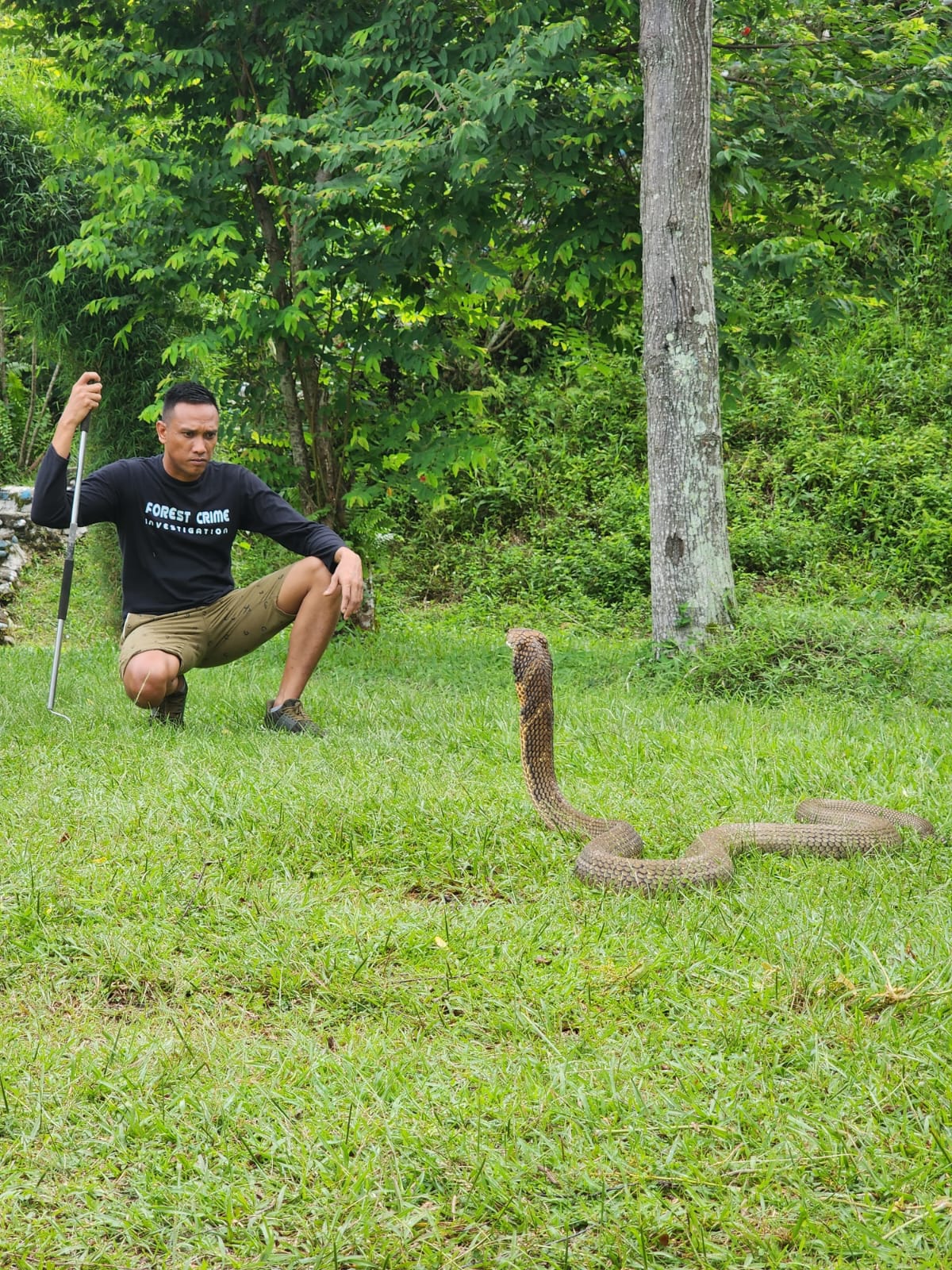

Ethical herping follows a different philosophy; the primary goal is to observe wildlife naturally without interfering with animal behavior or damaging ecosystems. Ethical wildlife observation is especially important in fragile rainforest ecosystems such as the Leuser landscape, one of the world’s most important biodiversity hotspots.
✴︎ HERPING
—07.00Pm
EVERY NIGHT IN THE RAINFOREST IS DIFFERENT, WHICH MAKES HERPING BOTH EXCITING AND UNPREDICTABLE.
Nocturnal (Night) Hiking
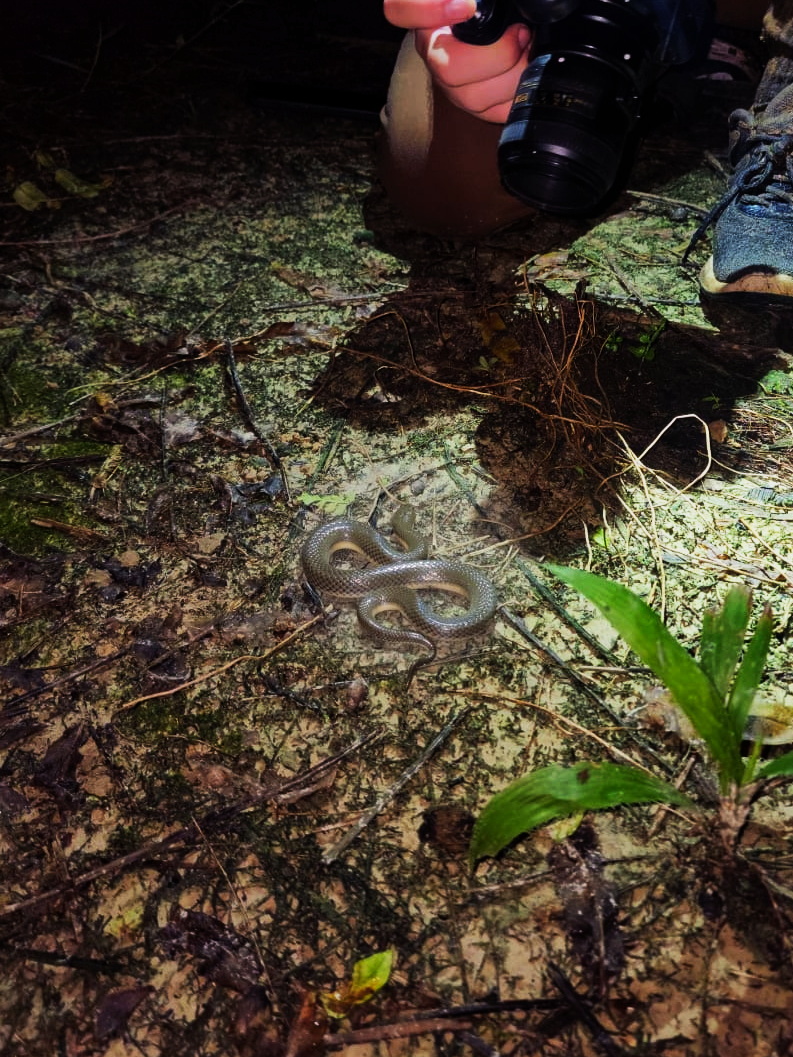

The Importance of Nocturnal Wildlife in the Rainforest.
Many rainforest ecosystems are dominated by nocturnal activity. While primates and birds often attract the most tourism attention during the day, countless reptiles and amphibians play equally important ecological roles at night.
Frogs act as indicators of ecosystem health because they are highly sensitive to environmental changes. Snakes help regulate rodent populations. Geckos and lizards contribute to insect population control. Every species is connected within the rainforest food web.
Understanding nocturnal biodiversity allows visitors to gain a more complete perspective of tropical ecosystems beyond the well-known flagship species like orangutans and elephants. According to conservation-based ecotourism initiatives in Bukit Lawang, educating visitors about lesser-known species is an important part of building long-term environmental awareness.
Herping and Conservation Awareness.
Ethical herping tours can also contribute directly to wildlife conservation. In many communities, reptiles such as snakes are often misunderstood and feared. Through guided educational experiences, visitors and local communities can better understand the ecological importance of these animals instead of viewing them solely as dangerous creatures.
Conservation-focused herping tours also help demonstrate that wildlife has greater value alive in the forest than captured for illegal wildlife trade. At SUMECO, ecotourism activities such as ethical jungle trekking, birdwatching, herping, and mangrove boat tours connect with broader conservation efforts, environmental education, and awareness programs in North Sumatra. (SUMECO (Sumatra Ecoproject)
Ethical Wildlife Tourism in Bukit Lawang.
Bukit Lawang has become internationally known as one of the gateways to the rainforest of Gunung Leuser National Park. However, as tourism grows, responsible management becomes increasingly important. Ethical tourism is not only about seeing wildlife. It is also about how visitors behave in natural habitats. Responsible wildlife tourism should always prioritize:
• Animal welfare.
• Ecosystem protection
• Community involvement.
• Environmental education.
• Sustainable livelihoods for local people.
Modern travelers are increasingly searching for experiences that align with conservation values rather than mass tourism practices. Ethical jungle trekking and wildlife observation help create tourism models that benefit both local communities and rainforest protection.
What to Expect During a Herping Tour in Bukit Lawang?
A typical nocturnal herping tour begins in the evening after sunset, when rainforest temperatures cool and nocturnal species begin emerging. Guides carefully move through jungle trails using flashlights to detect eye reflections, movement, camouflage patterns, and animal calls. Herping requires patience, slow observation, and respect for the environment. Participants are encouraged to:
• Wear proper hiking shoes.
• Bring lightweight rain protection.
• Avoid strong perfumes.
• Follow guide instructions carefully.
• Respect wildlife at all times.
Every tour is unique because wildlife sightings depend on weather conditions, seasonality, humidity, and animal activity. Unlike staged wildlife attractions, ethical herping accepts the unpredictability of nature as part of the authentic rainforest experience.

Supporting the Future of Sumatra’s Rainforests.
The rainforests of Sumatra continue to face serious threats from deforestation, habitat fragmentation, illegal wildlife trade, and human-wildlife conflict. Sustainable ecotourism alone cannot solve these challenges, but responsible tourism can become an important tool for conservation awareness and community empowerment.
By choosing ethical herping tours and responsible jungle trekking operators, visitors help support tourism models that value living ecosystems rather than exploitation.
In Bukit Lawang, ethical ecotourism is increasingly becoming a bridge between conservation, local livelihoods, environmental education, and international awareness.
For travelers seeking a deeper connection with nature, herping offers a rare opportunity to experience the rainforest after dark, not as spectators seeking entertainment, but as respectful observers learning from one of the richest ecosystems on Earth.
Explore ethical herping and nocturnal wildlife tours with Bukit Lawang Ecotourism and discover the hidden biodiversity of Sumatra responsibly.